

PREPARING FOR A BED BUG HEAT TREATMENT
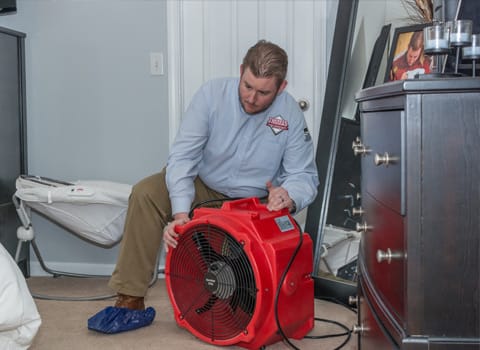
Bed bug heat treatments are very extensive endeavors. Heat treatments have proven to be the most effective and quickest method of eliminating bed bugs. All life stages, adults, nymphs and eggs, die within minutes at temperature. This article has been developed to help you understand the complexity, dangers and risks involved in heat treatments. To ensure success and safety, your cooperation before, during and after treatment is essential. Failure to meet the checklist requirements may void the warranty option and/or force the treatment to be rescheduled for a later date.
Homeowners, property managers and/or facility directors are responsible for ensuring completion of checklist prior to scheduled treatment time(s). Delays of heat remediation by failure to prepare may result in additional charges. Any deviations must be approved by Thomas Pest Services (TPS) prior to treatment.
Expectations
- Please let our office know if you or anyone else has applied any pesticides to your home in the last 60 days.
- If any pesticide dust is present, please clean it up according to the labeled directions before our arrival.
- You will need to stay out of your residence or facility for about 12 hours.
- During the heating process, temperatures will be from 120 degrees to 140 degrees.
- These are lethal temperatures to bed bug populations but not hot enough to damage most things; however, a few items will need to be removed or prepared.
Preparation Required Prior To Walk Through With Thomas Pest Services
Prepare Beds
-
Select Comfort type and other airbeds must be partially deflated and unplugged from wall outlet to avoid damage.
-
Completely drain any waterbeds to ensure adequate heat penetration to the frame surfaces under and around mattress.
-
Move beds at least 2 feet away from walls.
-
All boxes and items stored under bed must be removed. If container under bed is packed tight with belongings, the items will be removed from the container during the heat treatment to ensure heat penetrates every item. If there are sentimental, irreplaceable items stored under bed and/or items that may be damaged by extreme temperatures, items should be inspected and determined as to whether they should be treated.
-
TPS will remove linens from bed.
-
Do not remove plastic wrapping from box springs, mattresses, and other furniture.
-
If client chooses to dispose of heavily-infested mattresses and furniture, care must be taken to avoid spreading infestation to unaffected areas by encasing infested items. Items should be labeled as infested, rendered unusable, and taken to the local landfill to avoid possession by other individuals.
Clothing
Bed bugs often seek shelter on and in clothing. To avoid re-introducing bed bugs, any clothing removed during heat treatment must be treated before being returned to the treated area.
-
Loosely packed clothing may remain in dresser drawers and laundry baskets to avoid clutter on floor in small rooms.
-
Clothing in drawers can be left in place. However, we may still need to remove the drawers from dressers to help with the air movement.
-
Clothing on hangers may be left in closets if the space between the items is large enough to allow the heated air to circulate. Arrange hanging items to open up air space between them.
-
Other clothing left in the heated space must be placed loosely in open weave laundry baskets. Do not place clothing in plastic bags. This would include dirty laundry, clothes, shoes, and slippers that are stored on the floors of sleeping areas.
-
To lessen the amount of disarray after the treatment is complete; clothing can be dried on high heat for 30 minutes and sealed in plastic totes/storage boxes with lids. If these totes are properly labeled for the service technicians, the items in the bags/totes will not be disturbed.
Luggage
If luggage is stored in an attic or garage, bring luggage into the structure to be heated.
If luggage is stored in closets or other areas of the home, make sure luggage is visible to the service team so that they can open luggage after the property reaches the desired temperatures.
Stored Items & Clutter
-
All boxes and other stored items must be removed from closet and placed in center of room.
-
Excessive clutter and stored/boxed items restricts equipment placement, air movement and heat penetration and many times causes treatment failure.
-
Excessive clutter and stored/boxed items must be addressed prior to the heat treatment in one of the following manners depending on the nature, amount and value of the belonging. 1. A reasonable amount of items (to be determined by the sales professional) can be placed throughout the home in small stacks to be heated during the heat treatment process. 2. The client may choose to dispose of non-valuable items that they feel are not worth the time to heat and/or not worth the extra expense of heating by clearly marking infested items and taking to the to their local landfill so that others will not be able to salvage potentially infested items.
Others
-
Wheelchairs and scooters are often infested by bed bugs. Wheelchairs and scooters need to stay in the home to be treated. Please make arrangements prior to the first treatment to accommodate your transportation needs.
-
Turn off air conditioners and fans, and close all windows before we arrive.
-
Vacuum. Discard vacuum bag in the trash and then take out the trash.
Items that may melt or explode
The following heat sensitive items should be removed from the treatment area, stored in the refrigerator, or placed in a contractor 3 mil garbage bags:
-
Pressurized cylinders – Spray cans, Fire extinguishers, oxygen bottles, etc.
-
Firearms and ammunition
-
Paints
-
Adhesives
-
Cigarette lighters
-
All flammable chemicals
-
Soft vinyl items
-
Vinyl records
-
Audio and video tapes
-
Computer software
-
CDs and DVDs
-
Vinyl window blinds – If they are not removed, pull all the way up.
-
Rubberized prosthetic devices
-
Medical braces
-
Fresh food, fruits, vegetables, etc. (Can be stored in refrigerator)
-
Soaps
-
Wax based items – Candles, wax figurines, crayons, lipstick.
-
Crayons
-
Chocolate
-
Stick deodorants
-
Lipsticks and other cosmetics
-
Creams and lotions
-
Wine or other bottled alcohols
-
Carbonated beverages
-
Artificial sweeteners
-
Vitamins and other medications
-
Olefin carpet (direct contact from duct)
Items that may be damaged by large air blowers
-
Decorative items or picture frames that are not securely attached to the wall may be blown about and damaged by air blowers. Please secure or remove from wall and place on the floor.
-
Light, delicate belonging may be blown about and broken. Place delicate items in storage boxes to prevent damage
-
Stacks of papers should be contained in storage totes
Electronics
-
Computers, flat screen televisions and remote controls should be left inside during remediation as they have a high potential for infestation.
-
Electronics must be unplugged and will be placed out of direct path of introduction and heated air movement.
-
Please unplug and remove battery from laptop computers
-
Temperatures up to 150ºF will not damage almost all equipment that is not powered. If there are any doubts, the manufacturer should be contacted to establish a temperature that damage could occur. Thomas Pest Services does not take responsibility for obtaining this information.
Living plants and pets
-
Remove any aquariums and potted plants prior to application.
-
All occupants, plants and pets must remain out of premises during heat remediation for their safety and to ensure efficacy of treatment.
Sentimental, Valuable and Personal Items
The following items should be inspected before removal.
-
Oil paintings
-
Acrylic art work and other paintings
-
Photographs
-
Arts and crafts assembled with hot melt glue
-
Antique furniture with finish or fragile glue points
-
Musical instruments (may detune due to expansion/contraction). Leave the cases.
-
Refrigerator magnets (may demagnetize)
-
One-of-a-kind items such as heirlooms and irreplaceable possessions should always be removed prior to treatment
-
Remove all items of value or personal nature (e.g. jewelry and credit cards).
Preparation On The Day Of Treatment
-
Remove trash from receptacles and clear common areas before service.
-
All air conditioning must be switched off before treatment.
-
Heat should be turned to 85 degrees. TPS Service Team will turn off heat within the first 2 hours of treatment.
-
While not common, thermostats can malfunction after reaching extreme temperatures. If you would want your thermostat removed (after turning the heat off), please do so prior to our arrival. It will be the customer’s responsibility to put back on. It is not TPS responsibility for any damages if the thermostat is left in place.
Care must be taken when selecting where you will stay during treatment. Avoid areas, such as neighbors or relatives, unless you are certain there are no bed bugs. Same with common areas in apartment complexes.
Have each person in your household select one set of clothing to wear the day of treatment. Treat clothing by drying on high heat for 30 minutes and then place in a sealed Ziploc bag outside of the structure. All other items should remain inside. If you must take other items with you on the day of the treatment (not recommended), make sure that they are items that can be placed in a dryer immediately upon returning home.
What To Expect During Heat Treatment
-
Thomas Pest Services will set-up equipment inside of the structure.
-
Large air movers will be placed throughout the home to circulate the heat efficiently.
-
Before the home reaches critical temperatures, representatives will make one final walk through of the property to look for items sensitive to heat. While this is not the responsibility of Thomas Pest Services or it’s independent contractors, it’s a courtesy walk-through because we understand the preparation requirements are extensive.
-
Before the property reaches critical temperature, representatives will also complete a dust and liquid residual migration treatment.
-
We will continue to monitor temperatures throughout the home periodically.
-
When the average temperature reaches 122 degrees, we will maintain this critical temperature for 3 hours.
-
During the 3 hours, representatives will enter the structure once an hour for 15 minutes to open drawers, flip mattresses, move clothing, toss bags of items that were not labeled as heated previously to do our very best to ensure that heat reaches every aspect of the belonging in the home.
-
Most (if not all) cabinet doors and dressers drawers will be opened (and left open) after the property reaches the desired temperatures. Items in the drawers/cabinets may be manipulated during heat process to ensure all items reach temperature for successful treatment.
-
After reaching temperature, all mattresses, cushions, upholstered furniture will be flipped or propped against walls and moved to allow heat exposure to all surfaces.
After Treatment
-
After the treatment has been completed the temperature of your residence will probably still be very warm. Therefore, a cool down period will be needed in order to return the ambient temperature of your home to a normal comfortable temperature.
-
To help expedite the cooling down phase naturally, Thomas Pest suggests opening all windows and turning on fans within the residence. Please DO NOT turn on the air conditioner or use the washer and dryer until the ambient air temperature has dropped below 80 degrees Fahrenheit.
-
During the treatment procedure, some of your items have been shifted, flipped or relocated to other rooms in order to provide a constant and even heat treatment to all items throughout the home. We typically will not replace items back to their original positions due to the home being too warm for our employees to safely work for an extended period of time.
-
While your items are still in their temporary location, we strongly encourage vacuuming up and dead insects, casings or egg groupings that you find either in, under or no the heat treated items.
-
If purchased by customer, mattresses will be sealed in mattress encasements to remain in place permanently. Ripped/torn encasements should be repaired or replaced immediately.
-
If purchased by customer, Climb-up Interceptors will be placed on infested beds/furniture.
-
Do not shampoo/steam clean carpets for 30 days after treatment.
It is very important to understand, there will be considerable clean up after the treatment is complete. While it is not our intention to toss and leave items all about the home, the limited amount of time allowed for representatives to be exposed to such critical temperatures does not allow for them to neatly move and replace items to their original place.
What is bed bug heat treatment?
Bed bug heat treatment is a professional treatment method that uses specialized equipment to safely raise the temperature throughout an affected area to levels that eliminate bed bugs at every life stage, including adults, nymphs, and eggs. Because heat penetrates mattresses, furniture, cracks, and other hiding places, it can reach areas that are difficult to treat with traditional methods.
How effective is bed bug heat treatment?
Bed bug heat treatment is one of the most effective methods for eliminating bed bugs when performed by trained professionals. Success depends on proper preparation, achieving the necessary temperatures throughout the treatment area, and following all post-treatment recommendations
How do I prepare my home before a bed bug heat treatment?
Proper preparation is one of the most important parts of a successful treatment. Your technician will provide a detailed preparation checklist before your appointment.
Preparation may include:
· Reducing clutter so heat can circulate effectively
· Washing and drying clothing and bedding according to your technician's instructions
· Placing cleaned items into sealed bags or storage bins
· Providing access to beds, furniture, closets, baseboards, and other treatment areas
· Vacuuming floors, furniture, mattress seams, and baseboards
· Arranging care for pets during the treatment
· Following all instructions provided by your pest management professional
Every home is different, so always follow the preparation instructions specific to your treatment.
What items need to be removed before a bed bug heat treatment?
Some belongings are sensitive to high temperatures and should be removed before treatment.
These may include:
· Candles
· Aerosol cans
· Certain medications
· Houseplants
· Vinyl records
· Ammunition
· Items that could melt or become damaged by heat
Your pest control team will provide a complete list of items that should be removed before treatment.
How should I prepare clothing, bedding, and linens?
Follow the preparation instructions provided by your pest control expert.
In many cases, clothing, bedding, and linens should be:
· Washed if necessary
· Dried on high heat as directed
· Placed into clean, sealed bags or storage containers
· Kept sealed until your technician advises they can be returned
Proper handling helps prevent bed bugs from being reintroduced after treatment.
Should I use bed bug sprays or other products before my heat treatment?
No.
Unless your pest management professional specifically instructs you to do so, avoid using over-the-counter insecticides, foggers, or home remedies before treatment.
Many DIY products can interfere with professional treatment by causing bed bugs to move deeper into walls, furniture, or other hiding places, making them more difficult to eliminate.
Instead, focus on completing the preparation checklist provided by your technician.
What should I do with electronics?
Many electronics can safely remain in the home during treatment, but every situation is different.
Your technician will inspect your home and let you know if any electronics or heat-sensitive devices should be removed before treatment.
Can my family and pets stay home during the treatment?
No.
For everyone's safety, people and pets must leave the home during the heat treatment. Your technician will let you know when it is safe to return after the treatment has been completed.
What temperature is used during bed bug heat treatment?
Professional bed bug heat treatments generally raise room temperatures to approximately 120°F–140°F (49°C–60°C). Technicians carefully monitor temperatures throughout the treatment to ensure bed bugs are eliminated while protecting your home and belongings.
What should I expect after my bed bug heat treatment?
After treatment, your technician may provide recommendations such as:
· Continuing to monitor for any signs of activity
· Leaving mattress encasements in place if recommended
· Avoiding bringing untreated items back into the home
· Following any additional post-treatment instructions
Following these recommendations helps ensure the best possible long-term results.
Will I need more than one treatment?
Every infestation is different.
Many bed bug infestations can be resolved with a single professional heat treatment, while more severe infestations or certain situations may require additional services. Your technician will discuss the best treatment plan for your home after completing a thorough inspection
Why choose professional bed bug heat treatment?
Professional heat treatment offers several advantages:
· Eliminates bed bugs in all life stages, including eggs
· Reaches hiding places inside furniture, mattresses, and cracks
· Reduces reliance on repeated chemical treatments
· Can often resolve infestations more quickly than many traditional approaches
· Performed by trained professionals using specialized equipment
Request Your Free Estimate
Ready to take the first step? Request a free estimate and let us tailor a pest control plan just for you.
For Expedited Service Call (518) 861-4921
Reviews
 Rating