Buying a Home? Don't Forget the Pest Inspection.
Buying a home is one of the biggest investments you'll ever make. During the excitement of inspections, appraisals, and negotiations, it's easy to focus on the roof, foundation, HVAC system, and plumbing.
But one critical piece often gets overlooked: hidden pest activity.
Many pest issues remain completely out of sight until after you've moved in. By then, what could have been a simple conversation during negotiations may become an unexpected expense.
A dedicated pest inspection helps you understand the condition of the property, identify potential concerns, and make an informed decision before closing.
For homebuyers throughout New York's Capital Region and Hudson Valley, knowing what to look for can save money and provide valuable peace of mind.
Why Pest Checks Matter During a Home Purchase
A standard home inspection may note visible pest damage, but inspectors aren't always performing a comprehensive pest evaluation.
Some pest activity is subtle. Others are seasonal. Certain pests may leave evidence long after they're gone, while others remain active behind walls, under insulation, or around the home's exterior.
A professional pest inspection can identify:
- Active infestations
- Previous pest damage
- Conditions that attract pests
- Entry points around the home
- Moisture issues that support insects
- Areas that may require preventative treatment
Rather than creating unnecessary concern, the goal is simple:
Help you understand the home's condition before you buy it.
What Upstate NY Homebuyers Should Look For
Even before your inspection, there are several warning signs worth paying attention to during showings.
Exterior
Walk around the property and look for:
- Wood touching the ground
- Mulch piled against the foundation
- Standing water
- Damaged gutters or poor drainage
- Firewood stacked against the home
- Overgrown shrubs touching siding
- Cracks around utility lines
- Gaps beneath doors or garage doors
These conditions don't necessarily mean there's a pest problem, but they create opportunities for pests to move in.
Foundation & Basement
Basements often reveal the earliest signs of pest activity.
Watch for:
- Rodent droppings
- Moisture or water stains
- Mud tubes along foundation walls (possible termites)
- Carpenter ant frass (fine sawdust-like material)
- Chewed insulation or wiring
- Visible entry gaps around pipes
Kitchen & Utility Areas
Pests are drawn to food, water, and warmth.
Check:
- Under sinks for leaks
- Behind appliances (if visible)
- Around plumbing penetrations
- Pantry corners
- Utility rooms
Small gaps around plumbing can become easy entry points for ants, mice, and cockroaches.
Attic
Many homeowners never enter the attic until after they move in.
Look for:
- Rodent nesting material
- Droppings
- Chewed insulation
- Daylight showing through roof penetrations
- Evidence of wildlife activity
Decks, Garages & Outdoor Structures
Inspect:
- Deck supports
- Wooden fencing
- Sheds
- Porch roofs
- Eaves and soffits
These areas commonly attract:
- Carpenter ants
- Wasps
- Rodents
- Occasional wildlife
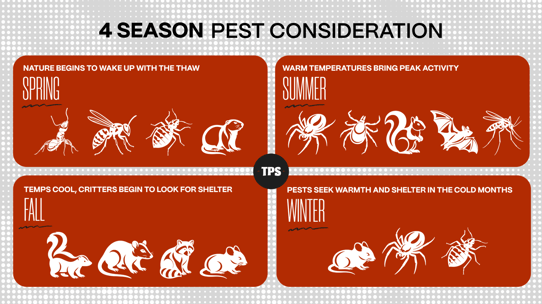
Seasonal Pest Considerations in Upstate New York
The timing of your home purchase can affect what pest activity is visible.
Spring
Be alert for:
- Carpenter ants
- Termite swarmers
- Emerging wasps
Summer
Watch for:
- Mosquito breeding areas
- Tick habitat
- Active wasp nests
- Carpenter ant activity
Fall
As temperatures cool, pests begin looking for shelter.
Common concerns include:
- Mice
- Rats
- Stink bugs
- Boxelder bugs
- Cluster flies
Winter
You may not see insects outdoors, but indoor pest activity can still be present.
Rodents often become more noticeable during winter months as they seek warmth inside.
Questions to Ask During the Inspection
Whether you're working with your home inspector or scheduling a separate pest inspection, ask questions that go beyond "Do you see bugs?"
Consider asking:
- Have you found any signs of current pest activity?
- Is there evidence of previous infestations?
- Are there conditions that could lead to future pest problems?
- Are there moisture issues that should be corrected?
- Are there structural openings pests could use?
- Would preventative pest service be recommended?
- Are any repairs needed before closing?
These questions help you understand not just what's happening today, but what could become an issue later.
What Happens During a Thomas Pest Services Real Estate Inspection?
At Thomas Pest Services, we believe inspections should provide answers, not uncertainty. Our approach reflects our commitment to treating little things like big things and building long-term relationships through honest, transparent communication.
Our inspectors evaluate the property inside and out, looking for both current pest activity and the conditions that allow pests to thrive.
Depending on the property, we assess:
- Foundation and exterior entry points
- Basement and crawl spaces
- Attics
- Garages
- Moisture-prone areas
- Landscaping around the home
- Signs of rodents, insects, and wood-destroying pests
- Conditions that may increase future pest pressure
You'll receive clear explanations of what we found, what it means, and practical recommendations. If treatment isn't needed, we'll tell you that. If preventative measures would benefit the home, we'll explain why without pressure.
This proactive, education-first approach reflects what many homeowners value most: consistency, honesty, and trustworthy guidance when making important decisions.
A Pest Inspection Is an Investment in Peace of Mind
No home is completely free of pest risk.
The goal isn't to find a perfect house. It's to understand what you're buying.
A professional pest inspection can help you:
- Avoid unexpected repair costs
- Plan for preventative maintenance
- Negotiate repairs if needed
- Protect your investment from day one
- Move into your new home with greater confidence
The more you know before closing, the fewer surprises you'll face after move-in.
Download Our Free Homebuyer Pest Inspection Checklist
Buying a home in the Capital Region or Hudson Valley?